|
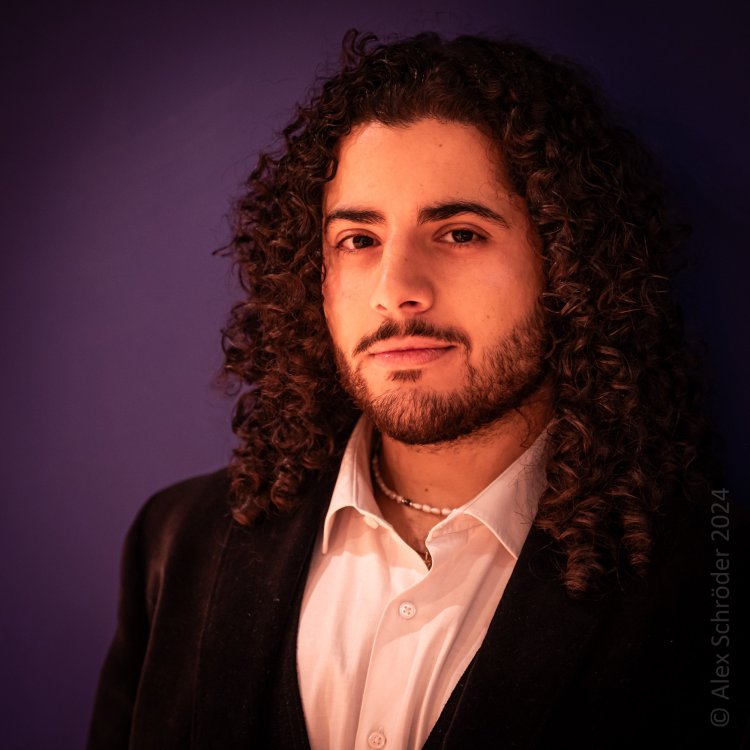
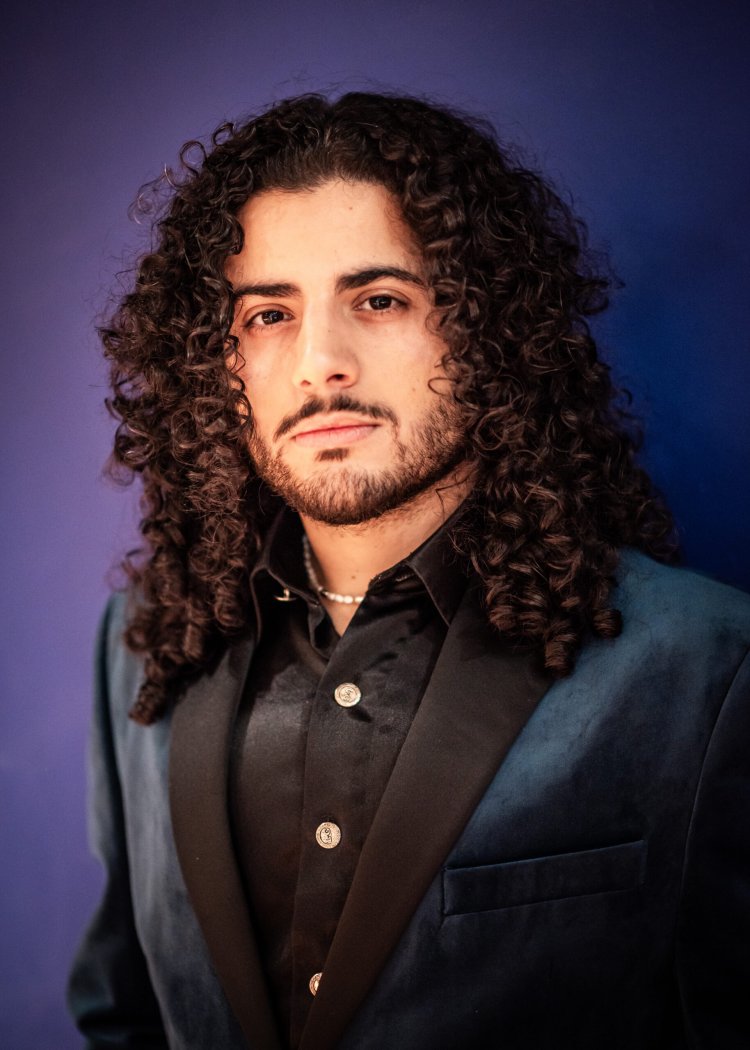
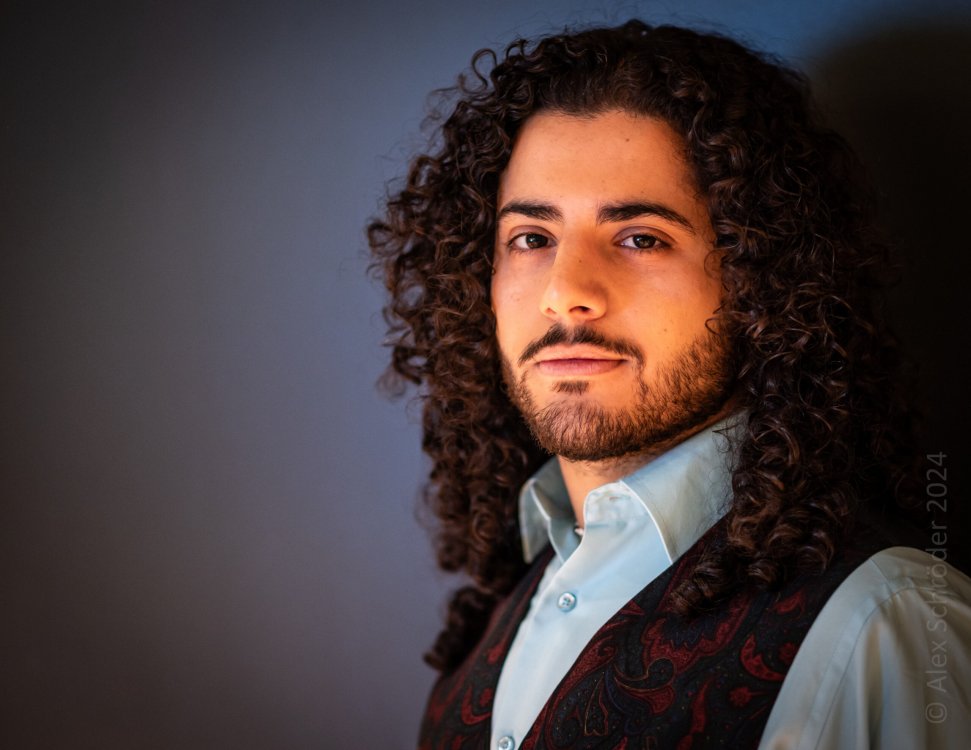
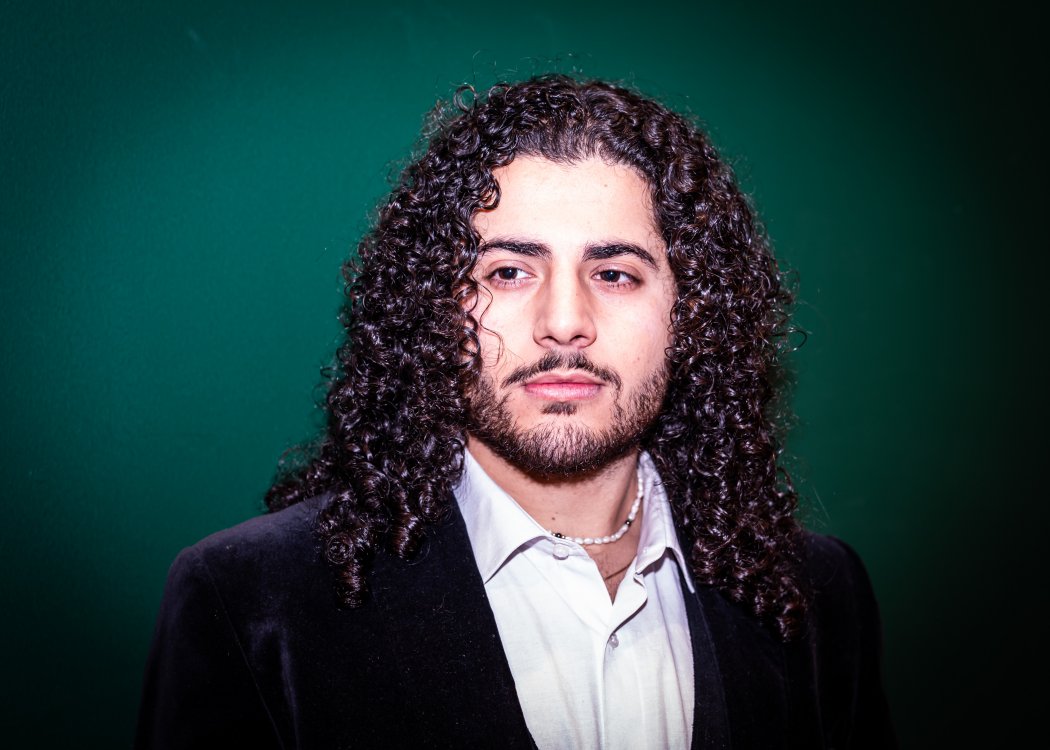
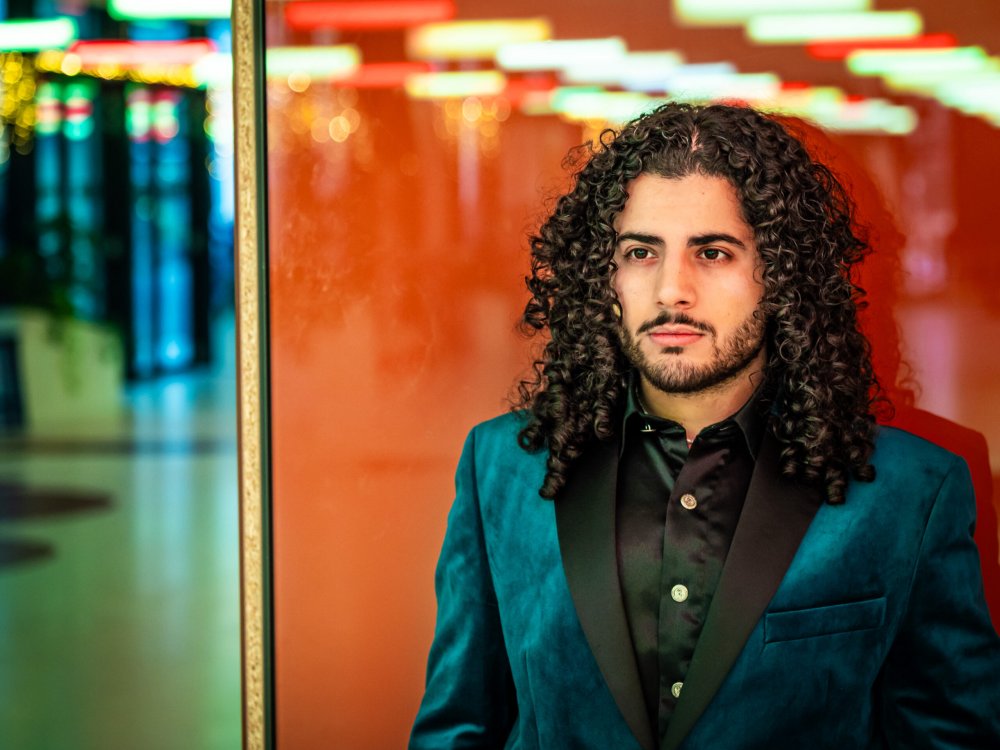
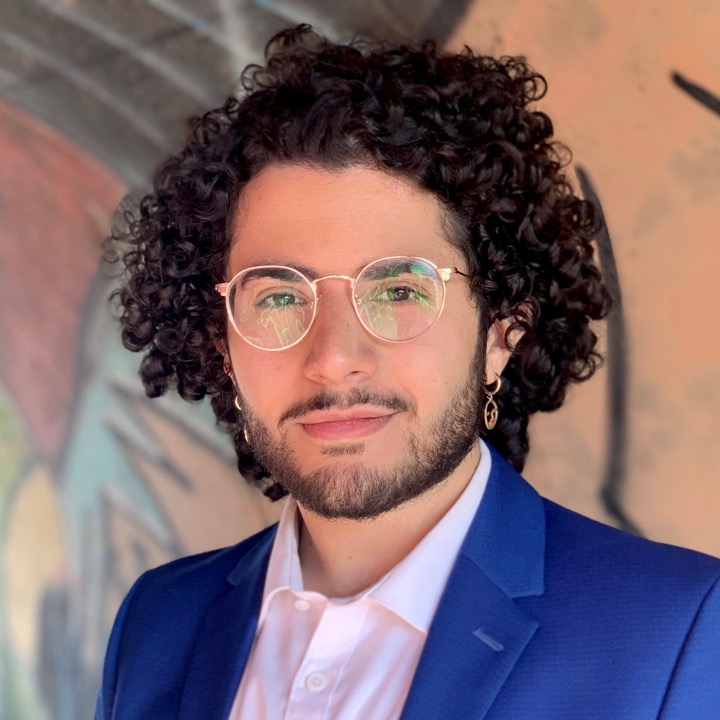
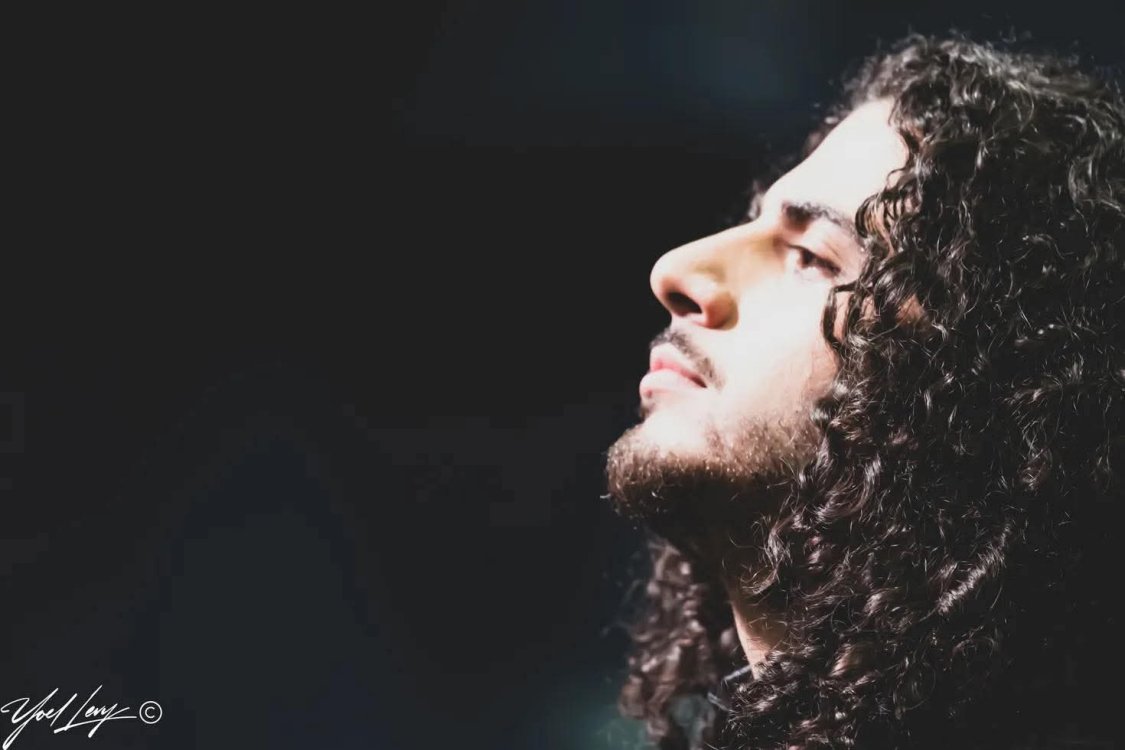
The Israeli counter-tenor and baritone, Lidor Ram Mesika, studied at the Royal Conservatoire The Hague (Class of 2025; Master of Music degree in Classical Voice, with Noa Frenkel) and at the Jerusalem Academy of Music and Dance (Class of 2023; Bachelor of Music degree in Opera Singing and Compositions, with Anat Efraty and Zvi Semel), with Erasmus at the Hochschule für Musik und Theater Felix Mendelssohn Bartholdy (Class of 2023; with Yosemeh Adjei) after beginning his training at the Netanya Municipal Conservatory with Vita Gurevich. A laureate of multiple international competitions, he received the Young Emerging Talent Prize at the Farinelli Competition Karlsruhe (2025), was a finalist of the Renata Tebaldi Baroque Competition in San Marino, won the Opera Awards Bursary (2024), the Young Artist Prize at the Grandi Voci Competition Salzburg (2024), and First Prize at the Paul Ben-Haim Competition (2022). He is supported by the Holland Scholarship, the America-Israel Cultural Foundation, and the Ronen Foundation.
Lidor Mesika is a distinctive young counter-tenor whose artistry combines rare vocal range with expressive depth. Currently based in the Netherlands, he has quickly become known for his compelling performances in Baroque and contemporary repertoire, while also retaining the versatility to perform as a baritone.
As a countertenor, his roles include the Sorceress in H. Purcell’s Dido and Aeneas, Arcane in George Frideric Handel's Teseo, and the upcoming Oberon in Benjamin Britten's A Midsummer Night’s Dream at the Badisches Staatstheater Karlsruhe (2025-2026). Alongside this, he has successfully appeared as a baritone in roles such as Count Almaviva in W.A. Mozart's Le nozze di Figaro, Papageno and Sprecher in W.A. Mozart's Die Zauberflöte, Polyphemus in Acis and Galatea, and Dandini in La Cenerentola. This dual expertise highlights both the flexibility of his instrument and his rare ability to interpret music across registers and styles.
Lidor Mesika's concert work spans major oratorios and sacred music in both voices, including George Frideric Handel's Messiah, Antonio Vivaldi's Gloria and Nisi Dominus, Giovanni Battista Pergolesi's Stabat Mater, J.S. Bach's Matthäus-Passion BWV 244 and Mass in B minor BWV 232, as well as Gabriel Fauré’s Requiem and Schubert’s Mass in G. He has performed as a soloist with the Israeli Opera and with leading orchestras and early music ensembles across Europe and Israel, at venues such as the Concertgebouw and Muziekgebouw in Amsterdam.
In addition to his classical career, he also performs as the lead singer of Mariachi Jerusalem, reflecting his passion for bridging cultures through music. |