|
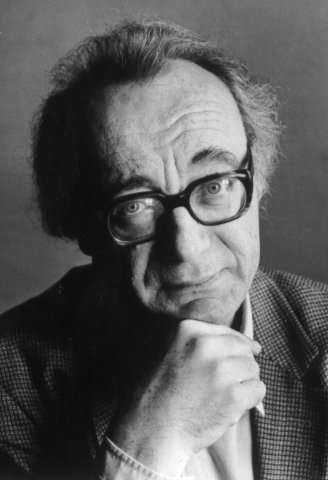
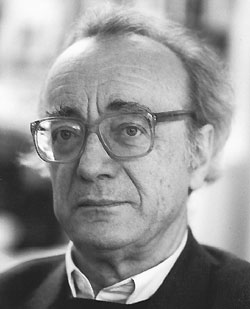
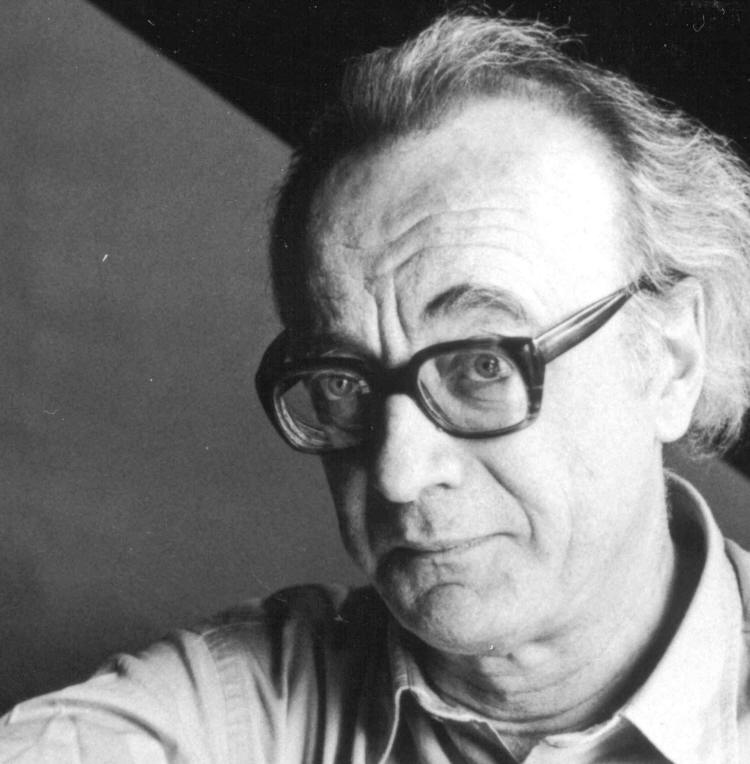
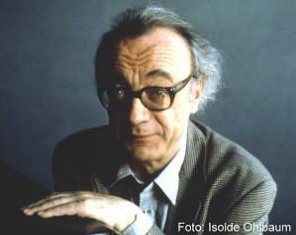
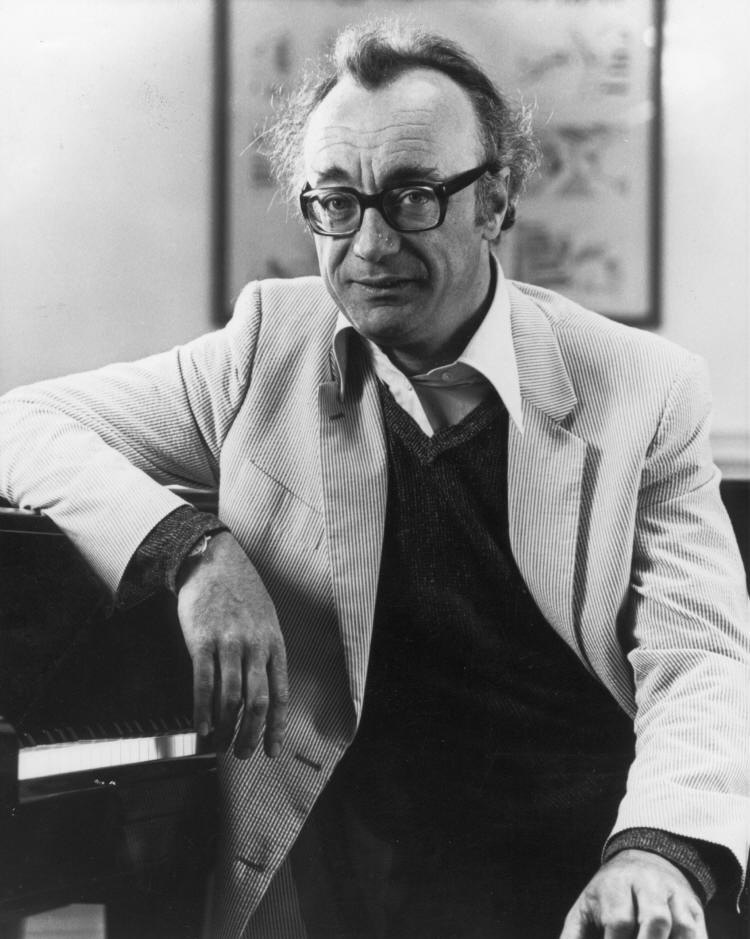
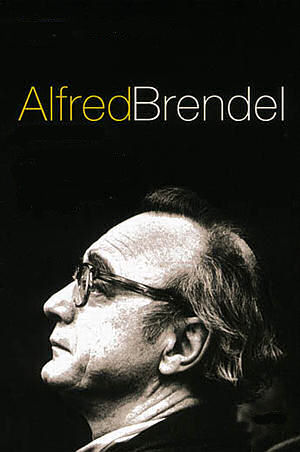
The Czech-born Austrian pianist, Alfred Brendel, was born in Czechoslovakia into a non-musical family. They moved to Zagreb when Brendel was six, and later to Graz. They lived there during World War II, towards the end of which the 14 year old Brendel was sent to Yugoslavia to dig trenches. However, he caught frostbite and was taken to hospital. Throughout his childhood, Brendel had occasional piano lessons, but otherwise little formal music education. After the war, Brendel composed music, as well as continuing to play the piano and paint. However, he never had any more formal piano lessons and although he attended masterclasses with Edwin Fischer and Eduard Steuermann, he is largely self-taught.
Alfred Brendel gave his first public recital in Graz at the age of 17. He called it "The Fugue In Piano Literature", and as well as fugal works by J.S. Bach, Johannes Brahms and Franz Liszt, it included some of Brendel's own compositions. However, he gave up composing shortly after this to concentrate on the piano. In 1949 he won 4th prize in the Ferruccio Busoni Piano Competition in Bolzano, Italy and moved to Vienna the following year. At the age of 21, he made his first record, Sergei Prokofiev's Piano Concerto No. 5. He went on to make a string of other records, including three complete sets of the L.v. Beethoven piano sonatas (one on Vox and two on Philips). He also recorded works by F. Liszt, J. Brahms (including Brahms' Concertos), Robert Schumann and Franz Schubert. Unlike virtually all classical pianists, he recorded very little Frédéric Chopin other than the Polonaises (which, interestingly, have been highly praised).
Alfred Brendel recorded extensively for the Vox record label - particularly his first set of the L.v. Beethoven sonatas - but secured a major recording contract only in the 1970's, nor did he play much outside Austria. His breakthrough came after a recital of L.v. Beethoven at the Queen Elizabeth Hall in London, the day after which three major record labels called his agent. Around the same time he moved to London, where he still resides. Since then, he recorded extensively, and his fame grew.
Alfred Brendel was renowned as one of the most distinguished classical pianists of the second half of the 20th century. He is regarded as one of the most thoughtful interpreters of classical Germanic works by such composers as L.v. Beethoven, Schubert and W.A. Mozart. He plays relatively few 20th century works, but is closely associated with Arnold Arnold Schoenberg's Piano Concerto. In recent years, however, he stopped playing many of the most physically demanding pieces in the repertoire, such as the Hammerklavier Sonata of L.v. Beethoven, owing to problems with arthritis.
Alfred Brendel's playing is sometimes described as being analytic, and he said that he believes the primary job of the pianist is to respect the composer's wishes without showing off himself, or adding his own spin on the music. "I am responsible to the composer, and particularly to the piece," he said. As well as his former mentor and teacher, Edwin Fischer, he cited Alfred Cortot, Wilhelm Kempff, and the conductors Bruno Walter and Wilhelm Furtwängler as particular influences.
In his recent years, Alfred Brendel worked with pianists such as Paul Lewis, Roberto Carnevale and Till Fellner and he performed and recorded with his son Adrian Brendel, a cellist. He also published poetry, which was compared by Andrew Motion to Miroslav Holub in style.
Alfred Brendel was married twice. His first marriage, from 1960 to 1972, was to Iris Heymann-Gonzala, and produced a daughter, Doris, who is a progressive rock and pop rock musician. In 1975, he married Irene Semler, and they have three children; a son, Adrian, who is a cellist, and two daughters, Katharina and Sophie. He died on June
17, 2025, at the age of 94, at his home in London. |