|
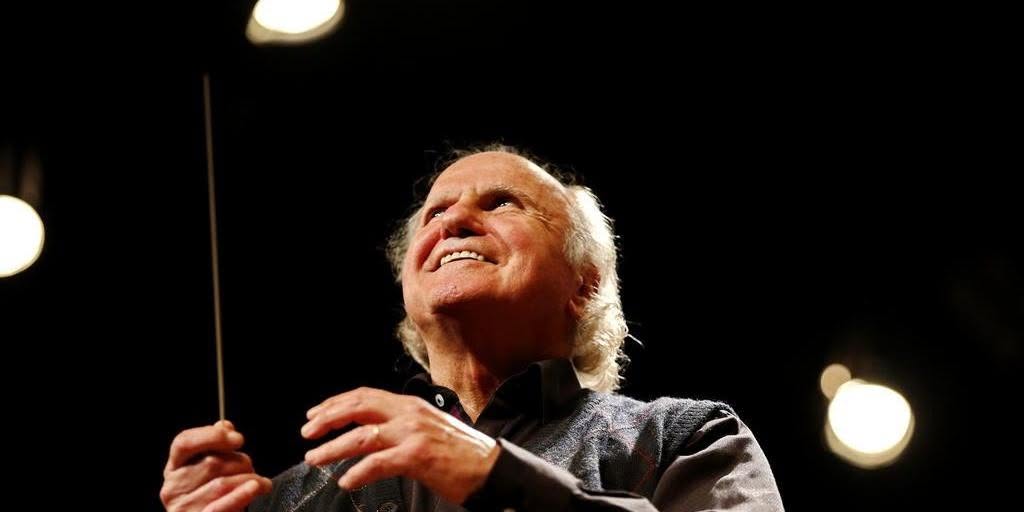
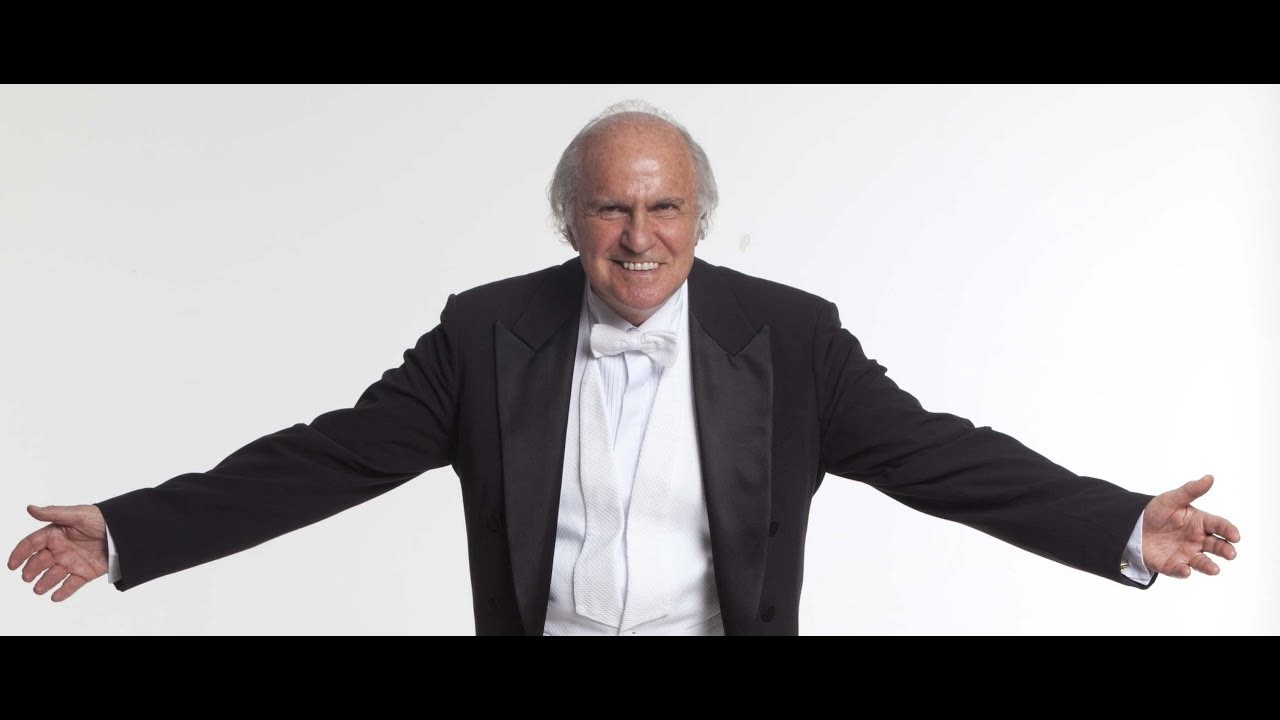
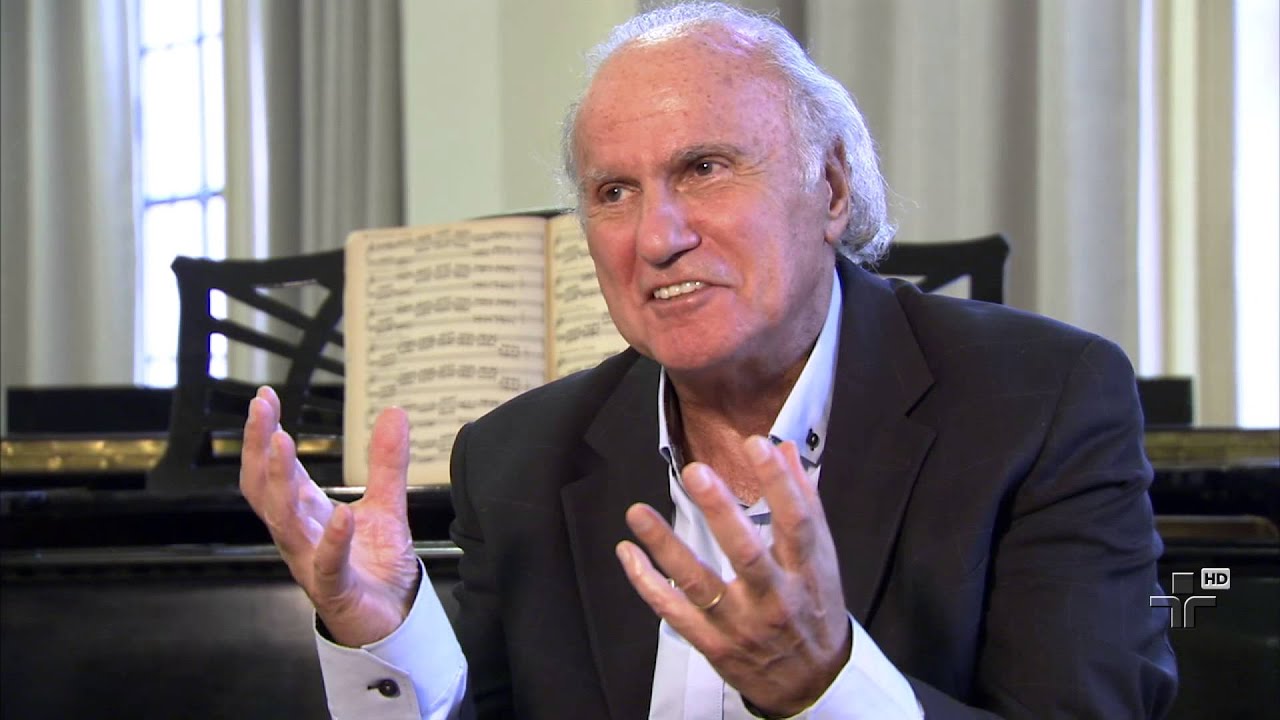
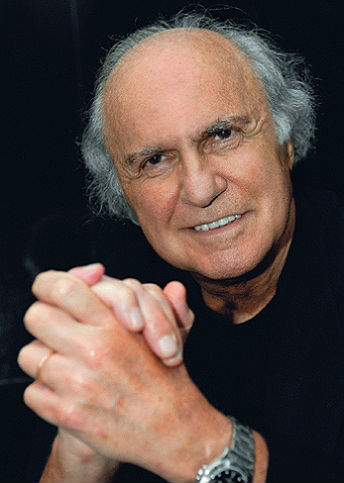
Brazilian conductor of Russian-Jewish ancestry, Isaac Karabtchevsky, studied at the Koelreutter Music School in São Paulo, Brazil, in the mid-1950s. He later traveled to Germany, where he received a scholarship to study music and orchestral conducting. He studied music and conducting at the Hocvhshule für Musik in Freiburg im Breigsau, where his primary instructors included Wolfgang Fortner, Pierre Boulez and Carl Ueter
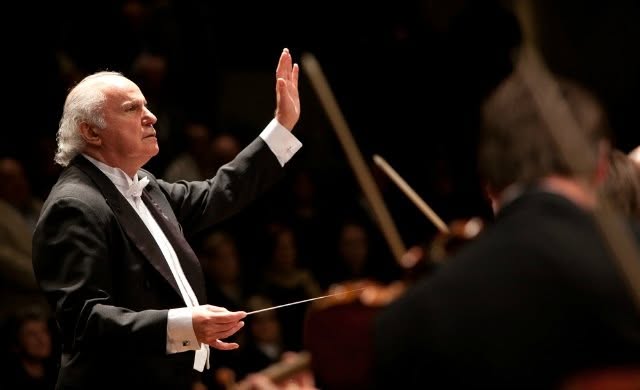
Upon his return to Brazilin 1969, Isaac Karabtchevsky became Music Director of the Brazilian Symphony Orchestra in Rio de Janeiro from 1969 to 1996. In 2009, British newspaper The Guardian spoke of him as "one of the living icons" of Brazil. The expression has its reason for being: since the 1970's, he has developed one of the most brilliant careers in the Brazilian music scene, working for 26 years as the conductor of the Brazilian Symphony Orchestra and leading a bolder project on popular communications throughout Latin America, called "Aquarius", which brought together thousands of people and enabled, thereby, the emergence an audience sensitive to classical music in the region.
This period of intense activity coincides with Isaac Karabtchevsky's stay in Europe, serving as Artistic Director of various orchestras and theaters, such as the Tonkünstler-Orchester in Vienna (January 1988-January 1994), the Teatro La Fenice in Venice (including Orchestra e Coro del Teatro La Fenice: 1995-2001), and, finally, as the director of the Orchestre National des Pays de la Loire (Nantes et Angers) (January 2004-January 2010). Among the theaters and prestigious orchestras of this phase are also the Salle Pleyel in Paris, Konzertgebouw in Amsterdam, Musikverein in Vienna, Royal Festival Hall in London, Accademia di Santa Cecilia in Rome, Teatro Real in Madrid, Staatsoper in Vienna, Carnegie Hall in New York, Teatro Comunale of Bologna, RAI in Torino, Teatro Colón in Buenos Aires, Deutsche Oper am Rhein in Düsseldorf, the Gürzenich-Orchester Köln, Tokyo Philharmonic Orchestra, etc.
Since 2003, Isaac Karabtchevsky has been the Artistic Director of the Porto Alegre Symphony Orchestra. In August 2004, he became Music Director of Orquestra Petrobras Sinfônica, one of the leading orchestras in Brazil, a group characterized by a unique system of self-management. A new stage in his career began, with predominance of his vast experience in the symphonic repertoire, and, also, the point of view of someone who was used to titles as important as Arnold Schoenberg's Erwartung; The Flying Dutchman, Tannhäuser, and Tristan and Isolde by Wagner; Benjamin Britten's Billy Budd; and other numerous productions that led him to direct, at the Washington Opera, a remarkable achievement of Boris Godunov, considered by critic Tim Page, from the Washington Post, as the best of the 1999-2000 season. From this period come the commendations he received from the Austrian government for the cultural services rendered to the country, and, also, the medal "Chevalier des Arts et des Lettres", from the French government. In addition to that, he was also recognized by virtually all the Brazilian states.
In early 2011, Isaac Karabtchevsky was invited to direct the Orquestra Sinfônica de Heliópolis (Heliópolis is the most disadvantaged community in the city of São Paulo). In parallel, he assumed the artistic direction of the Baccarelli Institute (since August 2010). Between 2011 and 2016, he recorded Heitor Villa-Lobos full symphonies - responding to an invitation by the Orquestra Sinfônica do Estado de São Paulo. The project is the result of a thorough effort of rebuilding scores and rescuing an important, though often overlooked aspect, of the composer's production. He also served as Musical Director of the Municipal Theatre of São Paulo.
Since 2000, Isaac Karabtchevsky directs, in Italy, master-classes for conductors from all over the world, in the Musica Riva Festival. In the Olinda's International Music Workshop, in Brazil, he teaches the same courses with great success. Currently, he is also responsible for the artistic program of the Municipal Theater of Rio de Janeiro. |